What Does the Semiotics of High-Protein Packaging Reveal About the Changing Meaning of Protein? – Insights from Rafał Hydzik
Protein water, cereal, crisps and ice cream. Protein has moved beyond the gym and made itself at home in almost every aisle of the supermarket. Increasingly, it is becoming a symbol of a healthy, rational and convenient choice. Rafał Hydzik, a semiotics analyst at One Eleven, has explored this phenomenon through a semiotic lens, analysing the packaging of high-protein products across a wide range of food categories.
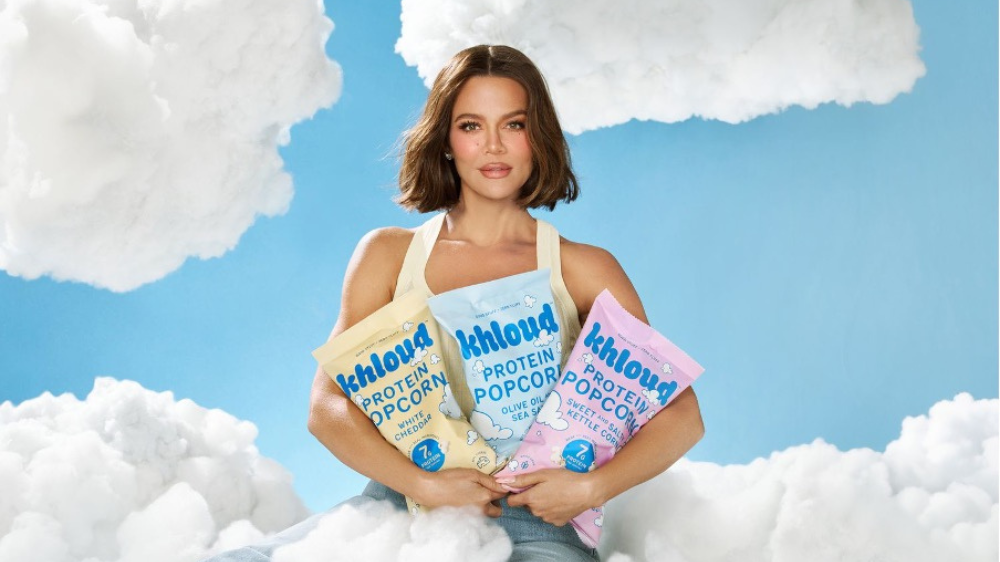
In his original analysis, Rafał explores how packaging language constructs the cultural meanings of the high-protein category. On supermarket shelves, visual cues associated with strength, sport and performance still dominate, including black packaging, muscle imagery and the prominent display of precise protein quantities.
At the same time, category messaging is beginning to embrace new territories. High-protein products increasingly tap into themes of health, convenience and everyday well-being, appealing to a much broader audience.
However, this shift is not happening evenly across the market.
“It is hard to escape the impression that the current protein obsession in Poland is more of an imported trend than a phenomenon that has organically emerged from local consumer needs. One of the key drivers behind the global protein renaissance is the growing popularity of GLP-1 therapies. Meanwhile, in the Polish market, new meanings of protein are emerging faster than the established visual language of the category is changing. Protein is no longer solely a tool for building muscle, but not all manufacturers have managed to move beyond the visual cues of the gym, sport and supplementation,” observes Rafał Hydzik, Semiotics Analyst at One Eleven.
What else can we read from supermarket shelves as protein breaks free from its traditional associations and finds its way into almost every food category?
The full article, “It’s No Longer About Muscles: The Semiotics of the New Protein Obsession,” was published on 16 October 2026 on NowyMarketing.pl.